
When choosing the driveway surface that best suits your home, there are several factors to consider. From aesthetics and upfront cost to maintenance level, this blog explains everything you need to know when committing to a major home decision like a driveway. It also explores the durability and performance of different materials, helping you understand how they will withstand daily use and changing weather conditions.
By weighing these considerations, you can make a confident, informed decision that suits both your home and lifestyle.
Types of Driveways
In the UK, a wide variety of materials are commonly used for driveways. Selection typically includes resin bound, gravel, tarmac, concrete and block paving. Every customer’s wants and needs vary, making it difficult to determine one material as ‘the best’. However, understanding the key factors of each option allows for a suitable choice. We have rated each factor on a scale of 1 to 5 to help you better understand their performance, with 5 being excellent and 1 being poor.
Resin Bound | Gravel | Concrete | Block Paving | Tarmac | Conclusion
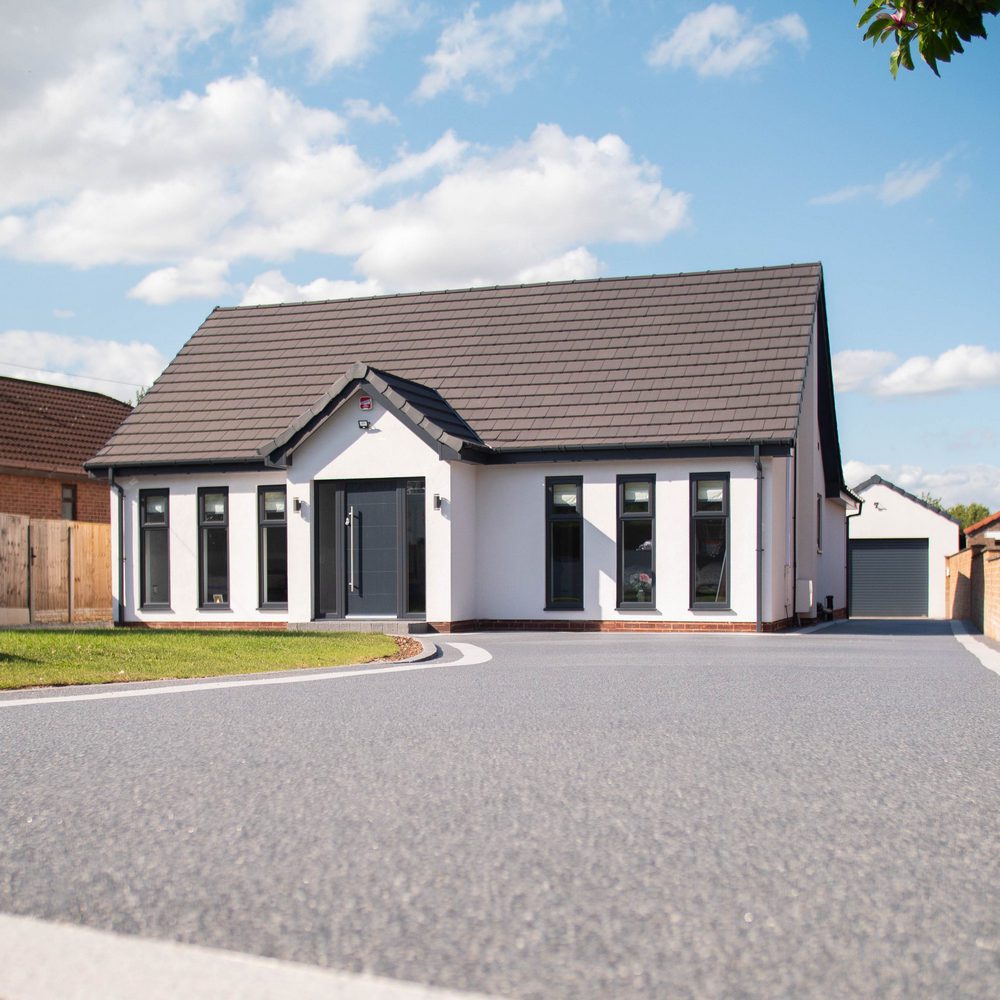
Resin Bound Driveway
Resin bound driveways are a modern, durable and fully permeable surfacing solution, which are fully customisable with a wide range of blends available.
Resin bound surfaces are professionally produced by mixing specialist, washed and dried stone with a premium, two-part and UV stable polyurethane resin. The mixture is poured and trowelled over a prepared base to create a smooth and durable surface.
Key Factors
• Permeability & Drainage (5) – Resin bound is highly permeable as it allows water to drain directly into the ground, reducing puddles, standing water and flood risk (complying with SuDS regulations).
• Durability & Strength (4) – Resin bound is hardwearing, resistant to oil spills and capable of withstanding heavy foot traffic and vehicles (it also can last many years).
• Maintenance (4) – Low, it prevents weed growth & only requires an occasional stiff brush or gentle pressure washing.
• Cost (3)– There is a higher initial cost due to professional installation, but its durable surface reduces long-term maintenance costs.
• Aesthetics (5) – Resin bound is available in a range of different colours and styles and leaves a smooth anti-slip finish.
• Weather resistance (5) – Resin bound is extremely weather resistant and can withstand our hottest summers and coldest winters (it is also UV stable, so will not discolour over time!)
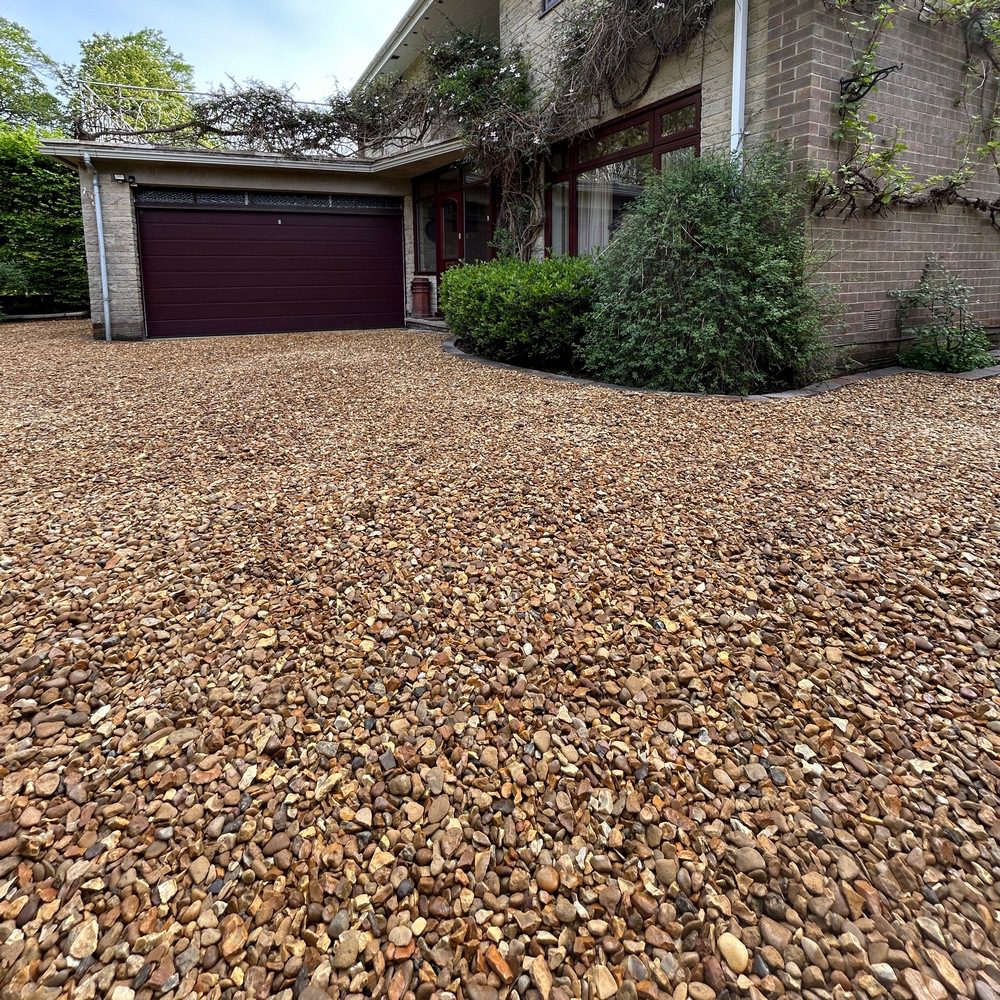
Gravel Driveway
Gravel driveways are a classic and versatile option and are available in a wide range of colours, shapes and sizes, allowing for creative and attractive driveway designs.
Gravel surfaces are made from loose stones spread over a prepared base. The best sub base for this application is the inclusion of gravel grids. They help to prevent gravel migration and reduce the risk of rutting.
Key Factors
• Permeability & Drainage (5) – Gravel is a highly permeable material, allowing rapid water flow to reduce risks of flooding (complying with SuDS).
• Durability & Strength (4) – It withstands foot traffic and vehicles and has the potential to last many years.
• Maintenance (4) – Low, with the inclusion of gravel grids. Just infrequent brushing of gravel to redistribute the very little migration you experience.
• Cost (5) – Extremely cost effective, making it the most affordable driveway option, and can also be installed by DIY.
• Aesthetics (4) – Gravel is available in multiple colours, styles, shapes and sizes, offering maximum flexibility in design.
• Weather resistance (4) – Gravel resists damage from icy and hot conditions, light coloured stone is also recommended to minimise UV damage.

Concrete Driveway
Concrete driveways are a durable option and can be finished in a variety of styles, including plain, coloured, or stamped designs to suit different properties.
Concrete surfaces are created by pouring a blend of cement, sand, aggregate and water onto a prepared sub-base. A well-constructed base is essential to prevent cracking, ensuring the driveway remains strong and long lasting under regular use.
Key Factors
• Permeability & Drainage (1) – Concrete is impermeable, which causes water runoff and requires specialised drainage. Poor drainage can lead to puddles and increased flood risk.
• Durability & Strength (3) – Concrete is designed to withstand heavy, consistent vehicle loads but is prone to cracking when not installed correctly.
• Maintenance (3) – Medium, involves regular cleaning, sealing every 2-3 years and immediate stain removal as it stains easily.
• Cost (3) – Relatively high initial cost, but longevity and low structural maintenance often justify the investment.
• Aesthetics (4) – Concrete has multiple design options, including stamped concrete, coloured concrete and decorative borders.
• Weather resistance (4) – Concrete is highly weather resistant, tolerating heat and cold. Can become slippery when wet, so anti-slip finishes are recommended.
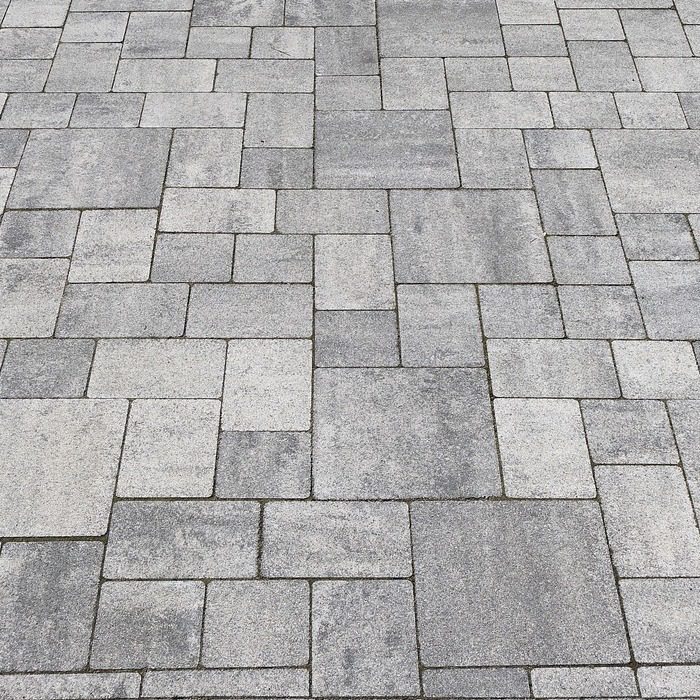
Block Paving Driveway
Block paving driveways are a popular option, available in a wide range of colours, shapes and laying patterns to suit different property styles.
Block paving surfaces are constructed by laying individual blocks onto a prepared sub base, allowing for flexibility and easy repairs. A well built sub base is essential to ensure stability and maintain a durable, long lasting driveway under regular use.
Key Factors
• Permeability & Drainage (3) – In some cases the blocks are tightly packed on sand and are not permeable however, if you counter in wider joints and a free draining sub base, it is permeable.
• Durability & Strength (4) – The interlocking of the blocks disperses vehicle weight, making them suitable for heavy traffic.
• Maintenance (2) – Medium as they require regular sweeping, weeding and annual cleaning with soapy water. You can also purchase a sealer to extend the life expectancy and enhance the colour.
• Cost (2)– The cost for block paving can vary depending on factors such as design, style and colour. However, it tends to become quite expensive compared to other materials.
• Aesthetics (5) – Block paving is available in multiple colours, textures, laying patterns and borders. This allows for many variants of design.
• Weather resistance (4) – Block paving offers great weather resistance while also blocking UV rays, making it ideal for the current UK climate and also offering great slip resistance.
Tarmac driveway
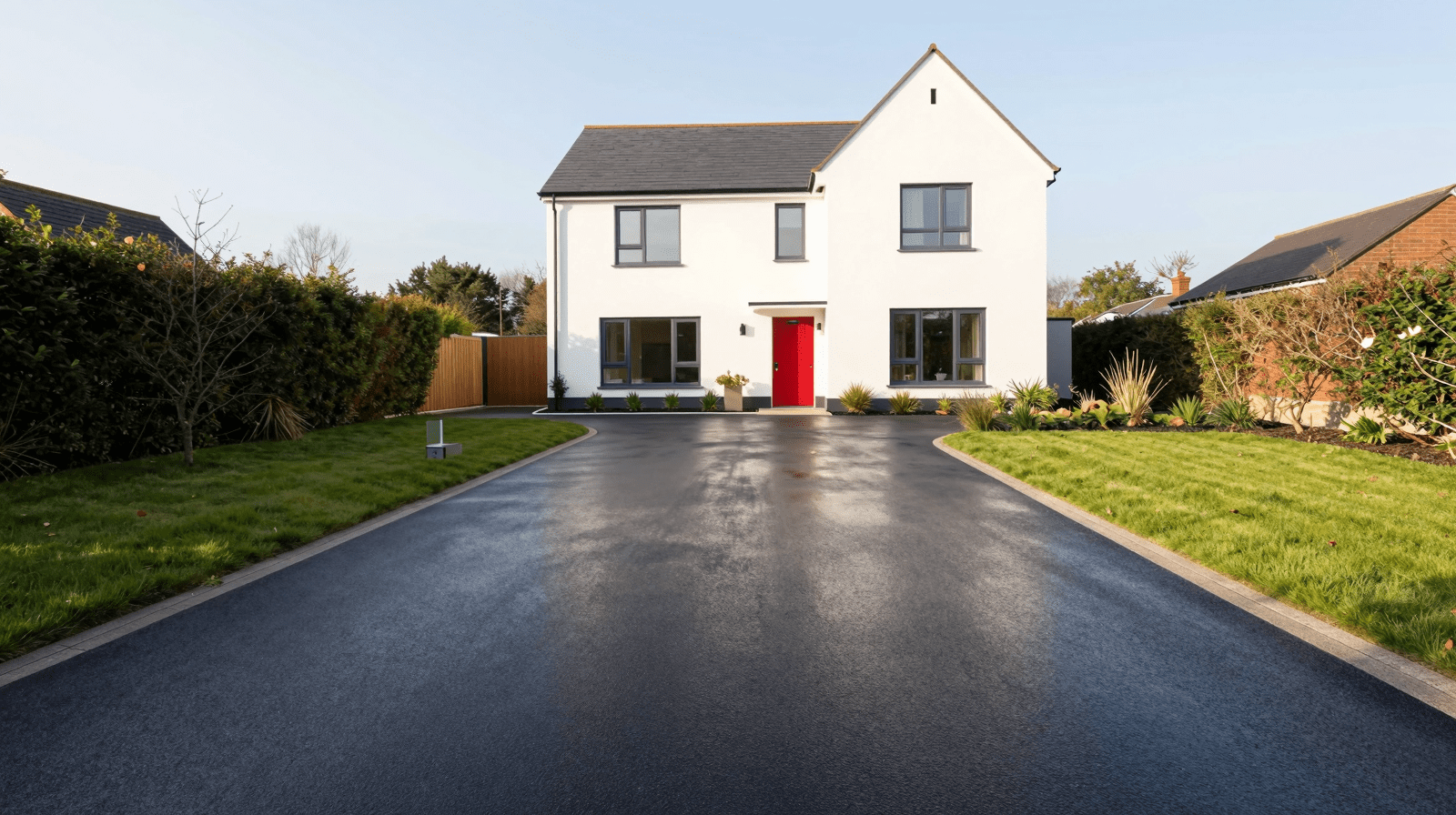
Tarmac driveways are a cost-effective and durable choice for residential and commercial properties, offering a smooth, practical finish. Two types are available: permeable and standard tarmac.
Tarmac is formed by compacting hot bitumen-bound aggregate over a prepared sub-base, which is essential for long-term strength and stability.
Key Factors
• Permeability & Drainage (3) – Standard tarmac is an impermeable surface that requires engineered drainage systems to prevent water pooling. While permeable tarmac drains water itself and follows SuDS regulations.
• Durability & Strength (4) – Offers high durability and strength, typically lasting some time if installed correctly and looked after well.
• Maintenance (5) – Low, tarmac is easy to maintain and requires minimal repairs over its lifespan.
• Cost (4) – Tarmac is relatively inexpensive and tends to cost less than other materials, such as concrete and paving. However, permeable tarmac costs relatively more than other materials.
• Aesthetics (1) – Tarmac is extremely limited on options as it tends to only be available in dark colours.
• Weather resistance (4) – Offers high weather resistance and withstands weather conditions such as heavy snow and extreme heat without cracking.
Choosing the best driveway for you
When planning a new driveway, it’s important to consider not only aesthetics but also functionality and long-term maintenance. The right surface can lift your home’s kerb appeal, improve drainage, and stand up to daily wear and tear. Careful consideration of materials ensures that your investment is both practical and visually appealing.
Resin bound and gravel surfaces are valued for their permeability, versatility, and compliance with modern drainage standards. Gravel is a cost-effective option for tighter budgets, especially when used with a gravel grid to reduce movement and maintenance, while resin bound offers a premium finish, long-term durability and low maintenance despite a higher initial cost.
- Permeability
- Durability
- Low Maintenance
- Appearance
- Weather Resistant
- Permeability
- Durability
- Low Maintenance
- Low Cost
- Weather Resistant